 Jane
Jane

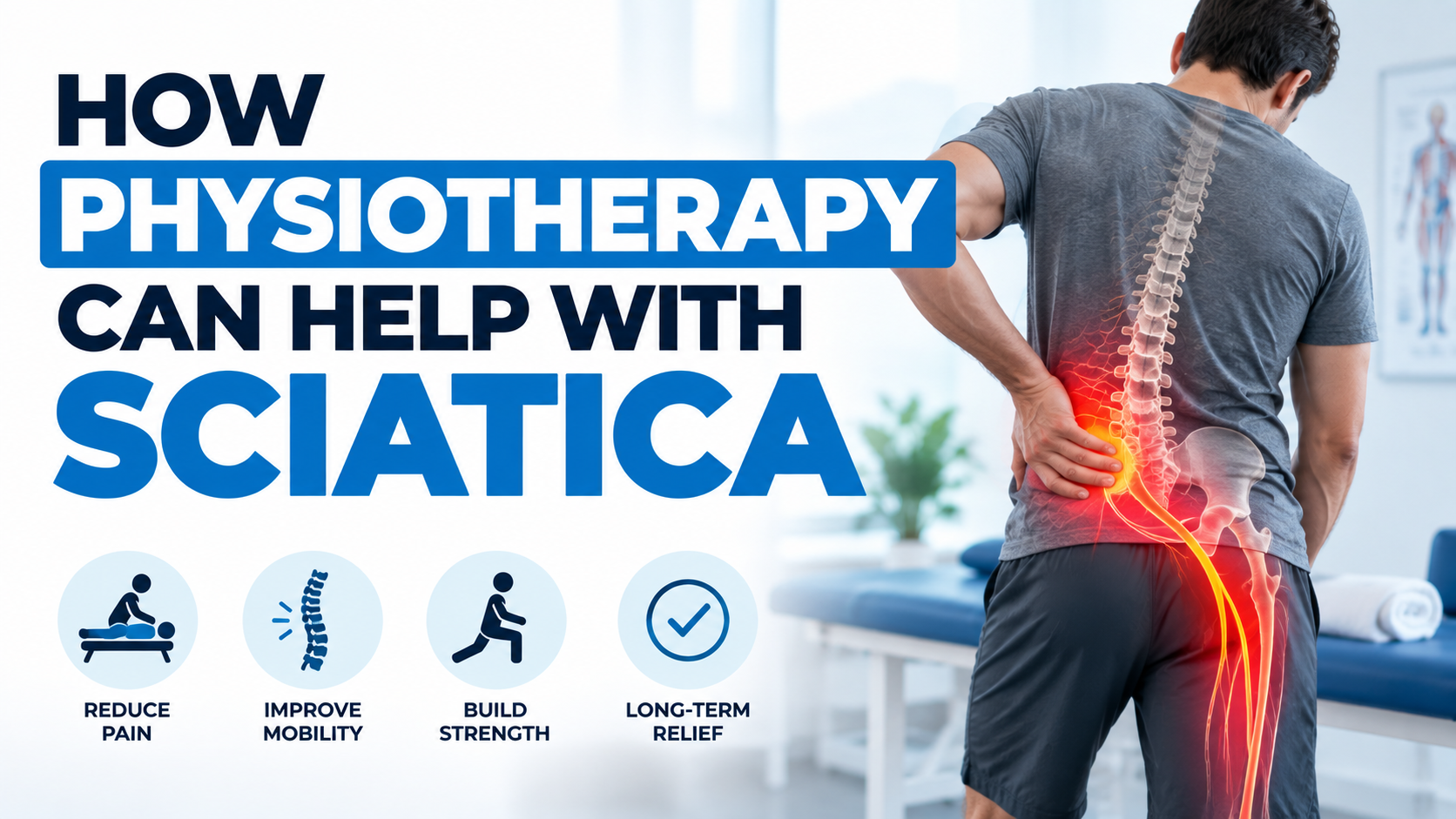
Understanding Sciatica Pain
Sciatica is a term that describes pain traveling along the path of the sciatic nerve. This nerve branches from your lower back through your hips and buttocks and down each leg. Sciatica pain can range from a mild ache to severe, debilitating pain. It often affects only one side of the body.
The pain is typically caused by irritation or compression of the sciatic nerve. This can happen due to a herniated disc, bone spur, or spinal stenosis. Other causes include piriformis syndrome or spinal misalignments. Understanding the source is key to effective treatment.
How Physiotherapy Addresses Sciatica
Physiotherapy is a cornerstone of effective sciatica treatment. It focuses on identifying the underlying cause of your nerve pain. A physiotherapist will assess your posture, movement patterns, and muscle strength. This helps create a personalized plan to relieve pressure on the sciatic nerve.
The goal is to reduce inflammation, improve mobility, and strengthen supporting muscles. This approach aims for long-term pain relief rather than just masking symptoms. You can learn more about our approach to physiotherapy at Physio2Health.
Common Physiotherapy Techniques for Sciatica
Physiotherapists use a variety of techniques tailored to your specific condition. These methods work together to reduce pain and improve function.
Treatment may include:
- Specific stretching exercises to relieve pressure on the sciatic nerve.
- Strengthening exercises for the core and back muscles to support the spine.
- Manual therapy techniques like joint mobilization and soft tissue massage.
- Postural correction to improve alignment and reduce strain.
- Education on proper body mechanics for daily activities.
- Modalities like heat or cold therapy to reduce inflammation and pain.
These techniques are designed to address the root cause of your sciatica. This promotes healing and prevents recurrence.

Benefits of Physiotherapy for Sciatica Relief
Choosing physiotherapy for sciatica offers numerous advantages. It provides a safe and effective way to manage pain without surgery or strong medication.
Key benefits include:
- Reduced pain and inflammation: Targeted treatments alleviate sciatic nerve irritation.
- Improved mobility and flexibility: Regain range of motion and move more freely.
- Enhanced strength and stability: Strengthen core and back muscles for better spinal support.
- Prevention of future episodes: Learn strategies to avoid re-injury.
- Non-invasive and drug-free: A natural approach to pain management.
- Personalized care: Treatment plans are customized to your individual needs.
Our clinic in Richmond Hill offers specialized care for conditions like sciatica. Discover how physiotherapy in Richmond Hill can help you.
What to Expect During Physiotherapy
Your first visit will involve a thorough assessment. Your physiotherapist will ask about your medical history and pain. They will then perform physical tests to evaluate your strength, flexibility, and range of motion. This helps them understand the cause of your sciatica.
Based on the assessment, a personalized treatment plan will be developed. This plan will outline the specific exercises and techniques to be used. You will work closely with your therapist to achieve your recovery goals. Regular follow-up sessions ensure progress and adjustments to the plan as needed. You can learn more about our team on the About Us page.
Other Therapies That Complement Physiotherapy
While physiotherapy is often the primary treatment, other services can enhance recovery. Combining different therapies can provide a more comprehensive approach to managing sciatica.
Complementary treatments may include:
- Chiropractic care to address spinal alignment issues.
- Osteopathy to improve musculoskeletal function.
- Massage therapy to relieve muscle tension.
- Acupuncture for pain relief.
- Laser therapy to reduce inflammation.
Discussing these options with your physiotherapist can help create a holistic treatment strategy.

Book Your Sciatica Assessment Today
Don't let sciatica pain control your life. Take the first step towards relief and improved function. Our experienced team at Physio2Health is ready to help you find lasting comfort.
Book your assessment with us today and start your journey to a pain-free life.
Frequently Asked Questions
What is the fastest way to relieve sciatica pain?
The fastest relief often comes from a combination of targeted physiotherapy exercises, manual therapy, and possibly anti-inflammatory measures. Identifying the specific cause of your sciatica is crucial for the most effective and rapid treatment.
Can physiotherapy cure sciatica permanently?
Physiotherapy can effectively manage and resolve sciatica symptoms by addressing the root cause. While it may not always 'cure' the underlying structural issue, it empowers you with the tools and strength to prevent recurrence and live pain-free.
How long does physiotherapy take for sciatica?
The duration of physiotherapy for sciatica varies depending on the severity and cause. Some individuals experience significant relief within a few weeks, while others may require a longer treatment plan for chronic conditions.
Are there exercises I should avoid with sciatica?
Yes, certain exercises that involve twisting, heavy lifting, or high impact can aggravate sciatica. It is best to consult with your physiotherapist to determine which movements are safe and beneficial for your specific condition.
Does Physio2Health offer sciatica treatment?
Yes, Physio2Health offers comprehensive physiotherapy services for sciatica treatment. Our experienced practitioners provide personalized assessments and treatment plans to help you achieve pain relief and improved function.
Ready to Find Relief?
Don't let sciatica hold you back. Our expert team is here to guide you towards a healthier, pain-free life.