Came in with chronic lower back pain after years of office work. Dr. Patel actually listened, ran a proper assessment, and built a plan around my schedule. Six weeks in and I'm sleeping through the night again. The clinic itself is calm and welcoming.
J
James Lo
12 reviews
a month ago
Tore my ACL in a soccer game and was told my season was over. Tanvir built me a return-to-play programme that pushed but never broke me. Back on the pitch — stronger than before. Honest, expert, no upsell. Cannot recommend enough.
P
Priya Singh
Local Guide · 31 reviews
3 weeks ago
Sciatica had me dreading every car ride. Dr. Reid was the first person to actually find the root issue and explain it in plain language. Three weeks of treatment and I'm back to long drives without flinching. Direct insurance billing was a nice bonus.
M
Marcus Bennett
8 reviews
a week ago
Frozen shoulder had me unable to reach overhead for over a year. Fereshteh ran a proper differential and got me on a manual-therapy plus loading plan. Range of motion is back to within five degrees of my good side. Real expertise, no rushed sessions.
L
Lila Tran
Local Guide · 19 reviews
a month ago
Post-partum pelvic and lower back pain — felt dismissed everywhere else. Gary took the time to actually map what was going on and built a programme around being a new mom. I can lift my baby pain-free again. Genuinely changed my year.
D
Daniel Khan
14 reviews
2 months ago
Knee replacement at 58 — surgeon recommended Physio2Health and I'm grateful. Properly graded loading, weekly check-ins, and an honest conversation about timelines. Walking 5 km comfortably eight weeks in. Best money I've ever spent on my body.
Hands-on therapy and movement, built around how you live.
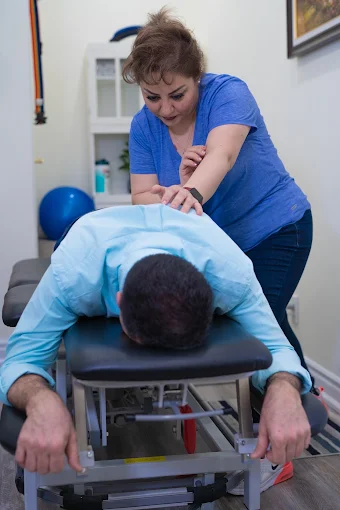
Physiotherapy combines manual therapy, targeted exercise, and education to help you recover from injury, manage chronic pain, and move with confidence again. At Physio2Health you'll see a registered physiotherapist for a full hour — long enough to actually understand your body, not just treat a symptom.
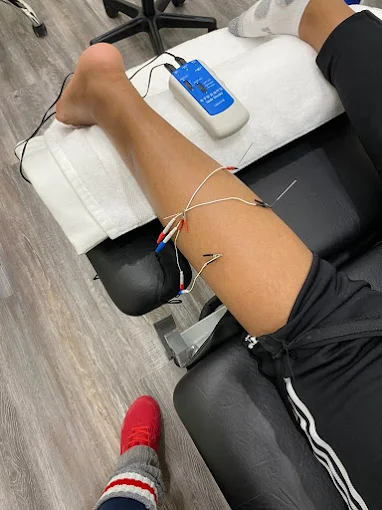
Hands-on care. Manual therapy, dry needling, and modalities tailored to your assessment — not a one-size protocol.
A real plan. Exercise prescription, progress markers, and honest timelines you can actually follow.
Direct insurance billing. We bill most major plans on your behalf, so you can focus on recovery, not paperwork.
Conditions we treat
The issues we help patients work through every week.
If you don't see your concern listed, give us a call — chances are we can help, and we'll tell you honestly if a different specialist is a better fit.
🦴
Back & neck pain
Acute episodes, chronic stiffness, postural patterns from desk work.
⚡
Sciatica & nerve pain
Identify the root cause, calm the irritation, and build long-term resilience.
🏃
Sports injuries
Sprains, strains, ACL recovery, and structured return-to-play programmes.
🩹
Post-surgical recovery
Knee replacements, rotator-cuff repair, fracture rehab, coordinated with your surgeon.
💪
Frozen shoulder
Restore range of motion with manual therapy and progressive loading.
🎾
Tennis & golfer's elbow
Tendinopathy treatment, ergonomic coaching, gradual return to your sport.
🦵
Knee & ankle injuries
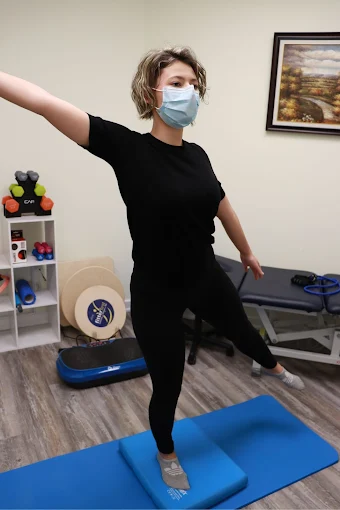
Meniscus issues, patellar pain, ankle sprains, and balance retraining.
🤕
Headaches & TMJ
Tension headaches and jaw pain from upper-cervical and postural sources.
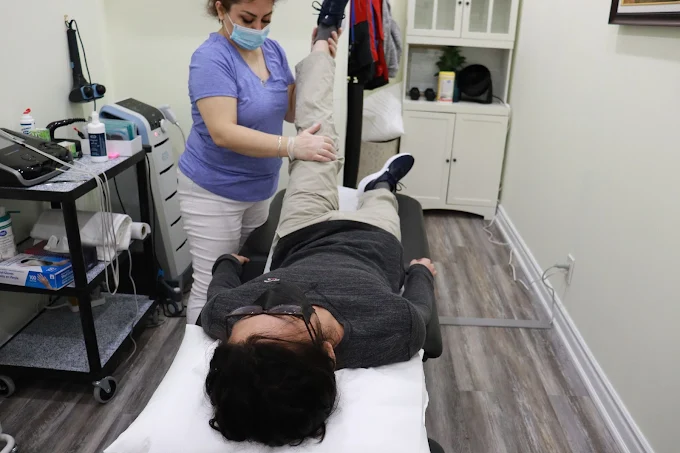
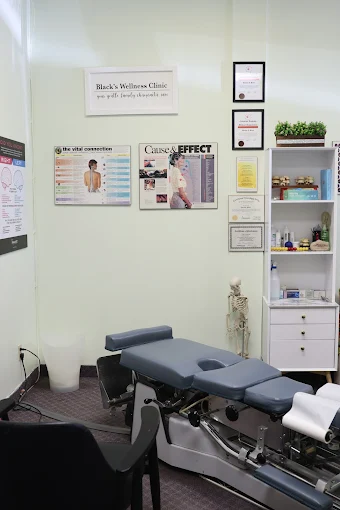
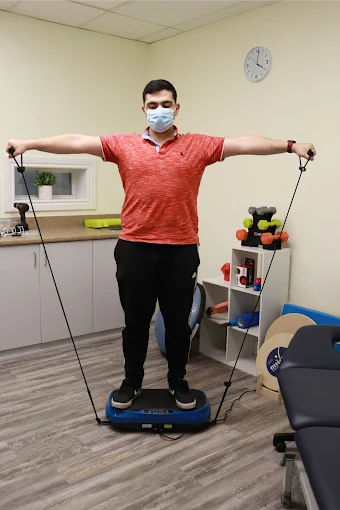
Inside the clinic
A space designed for recovery.
How it works
Three honest steps. No filler.
1
Hour-long assessment
We listen, examine, and explain what we see — before a single technique is applied. You leave with a clear picture of what's going on and what we'll do about it.
2
Hands-on treatment + plan
Manual therapy and exercise prescription built around your body, your goals, and your week. Most patients feel a meaningful shift in the first or second session.
3
Progressive recovery
Check-ins, measurable milestones, and honest answers when you're done. We never stretch out a plan to fill a calendar.
Specialty focus
We specialize in orthotics, medical braces and compression stockings.
Prescribed and fitted by your physiotherapist. Direct insurance billing on most extended-health plans.
The questions our Richmond Hill patients ask most.
Straight answers — no jargon, no upsell.
What is physiotherapy and how does it actually work?
Physiotherapy is a regulated health profession that combines hands-on manual therapy with structured exercise, education, and rehabilitation planning. Your physiotherapist assesses how you move, why something hurts, and what's likely to fix it — then delivers treatment in-clinic and gives you a clear plan to keep progressing between visits.
Just about everyone. Patients we see range from recreational and competitive athletes recovering from injury, to office workers managing chronic neck or back pain, to seniors regaining mobility after surgery, to new parents addressing postural issues. If your body isn't moving the way you want it to, there's almost always something physiotherapy can do.
Initial assessments at Physio2Health run a full 60 minutes — long enough to actually understand your history, examine your movement, and start treatment. Follow-up sessions are typically 30 to 45 minutes depending on your plan. We never double-book, so the full appointment is yours.
It depends on what brought you in. Acute injuries often resolve in 4 to 8 sessions. Post-surgical rehab and chronic pain typically take 8 to 12 sessions across a few months. Your physiotherapist gives you an honest estimate at the end of your first visit and adjusts as you progress. We never stretch a plan to fill the calendar.
Treatment shouldn't be painful. Some techniques — like deep-tissue release, joint mobilisation, or stretching restricted tissue — can feel like a manageable "good ache." We talk through every technique before applying it, and you can stop or adjust at any time. Mild soreness for 24 hours after a session is normal, much like after a new workout.
Wear comfortable, loose clothing you can move in — athletic wear or anything you'd stretch in is perfect. If you're being assessed for a knee or ankle issue, shorts are ideal. For shoulder or upper-back concerns, a tank top or t-shirt works well. We have private treatment rooms and gowns if you'd prefer.
Bring your insurance card (if you have extended health coverage), any imaging or referral letters from a previous provider, and a short note of what you're hoping to address. Arrive 10 minutes early on your first visit so we can complete a brief intake form together.
Yes — we submit claims directly to most major Canadian extended-health insurance plans, including Manulife, Sun Life, Canada Life, Green Shield, Desjardins and more. We confirm coverage before your appointment so there are no surprises. Physiotherapy is also covered under WSIB and MVA benefits where applicable.
No referral is needed to see a physiotherapist in Ontario — it's a direct-access regulated profession. That said, some insurance plans still require a referral letter before they'll reimburse, so check with your provider. We can also coordinate with your family doctor or surgeon if your care benefits from a team approach.
Absolutely — post-surgical rehab is one of our specialties. Common cases include ACL reconstructions, knee and hip replacements, rotator-cuff repairs, and fracture rehab. We follow your surgeon's protocol, coordinate care where useful, and build a return-to-life programme that progresses safely from week one through full recovery.
What's the difference between physiotherapy and chiropractic?
Physiotherapy combines manual therapy with exercise prescription and rehabilitation planning — ideal for injuries, post-surgical recovery, and rebuilding long-term function. Chiropractic care focuses primarily on the spine and joint adjustments to relieve pain and improve alignment. They're complementary, not competing — many patients see both, and our practitioners collaborate on shared cases.
How soon after an injury should I see a physiotherapist?
Sooner is almost always better. Most acute injuries respond best to assessment within 48–72 hours — early intervention prevents compensation patterns and reduces total recovery time. For chronic pain that's been around for months, there's no harm in waiting until you can come in, but the longer it lingers the more layers we'll need to unwind.







 Jane
Jane

.webp)
.webp)
.webp)
.webp)